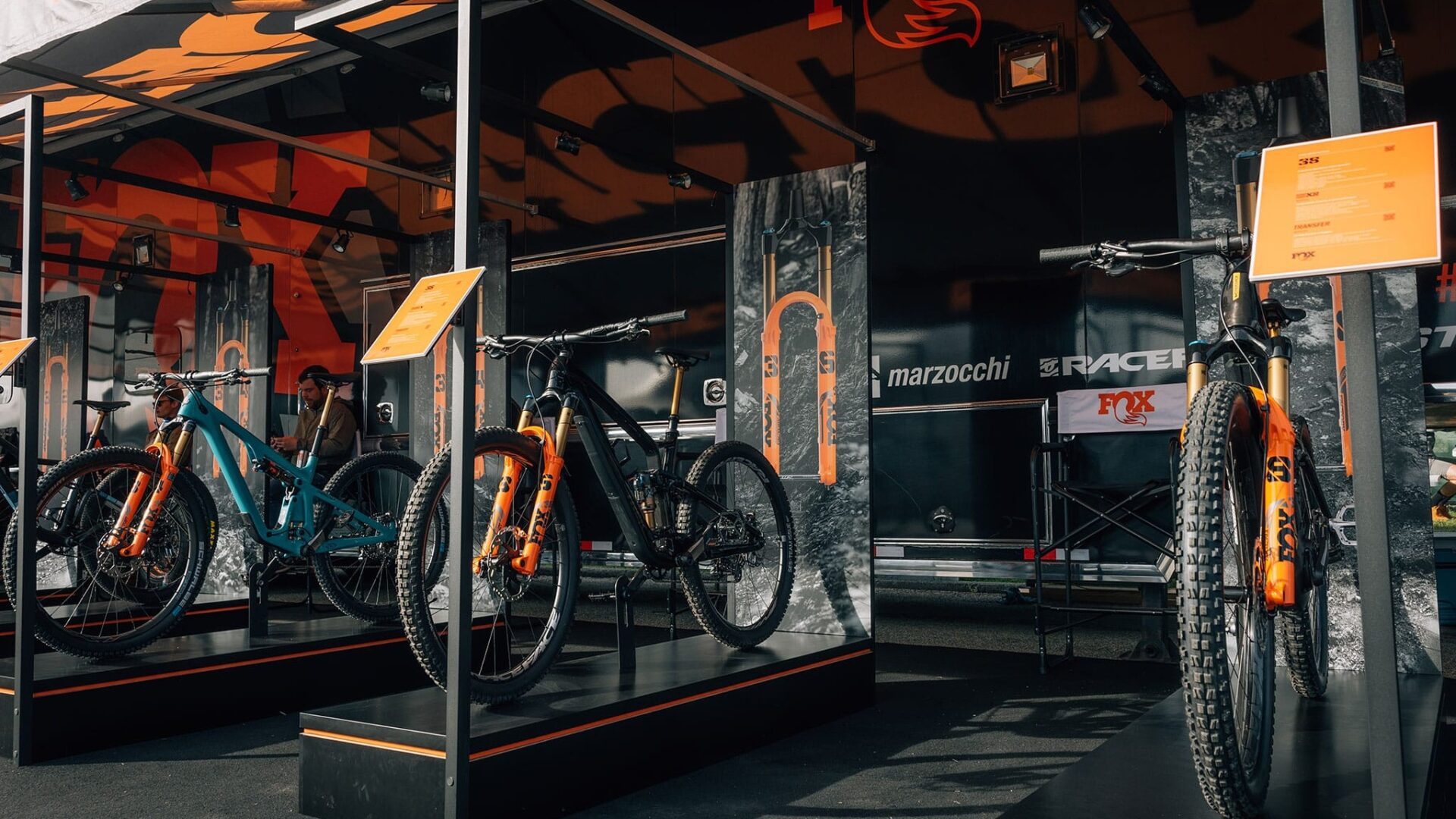
There are activations people walk through. Then there are activations people photograph, share, and remember six months later. The difference is not budget, though budget helps. The difference is craft. Specifically, bespoke fabrication.
Craft is the intentional selection of materials, finishes, and construction methods that tell a visitor, before they read a single word, that the brand takes itself seriously. It is what separates a forgettable activation from a famous one.
The Forgettable Activation Problem
Most brand activations look the same. Pop-up tent. Vinyl banner. Folding table. Maybe a TV on a stand. The brand’s logo is everywhere, but the environment says nothing about who the brand is or what it values.
These activations are not bad. They are invisible. In a world where consumers are exposed to thousands of brand messages daily, invisible is the same as non-existent.
The data confirms it. Experiential marketing achieves approximately 90% brand recall1, but that recall is driven by sensory and emotional cues, not by messaging. The logo on the banner is not what people remember. They remember how the space felt. What it smelled like. The weight of the materials. The quality of the light.
If the activation environment does not create a sensory impression distinct from the last pop-up your visitor walked through, you have spent the money without earning the memory.
Generic vs. Bespoke: The Numbers
The gap between generic and bespoke is measurable, not just aesthetic1.
Generic / rental (pop-up tent, pipe-and-drape, off-the-shelf furniture)
- 30 to 60 second average dwell time
- Low social sharing motivation
- Functional. Works for high-throughput sampling. Forgettable by design.
Custom / bespoke (purpose-built structure with architectural materials and designed lighting)
- 3 to 5 minute average dwell time
- 90%+ organic social sharing rate
- Creates a brand world consumers want to inhabit. Every surface, material, and sightline serves the experience.
Custom builds cost 3 to 5x more upfront than rentals. They also generate 5x the engagement, 3x the social impressions, and measurably higher brand recall1. Over a multi-market tour, cost per quality engagement favors bespoke. Above 10 activations per year, custom fabrication typically pencils out ahead of repeated rental fees, especially as novelty declines on the rental side with each repeat deployment.
The Craft Layer
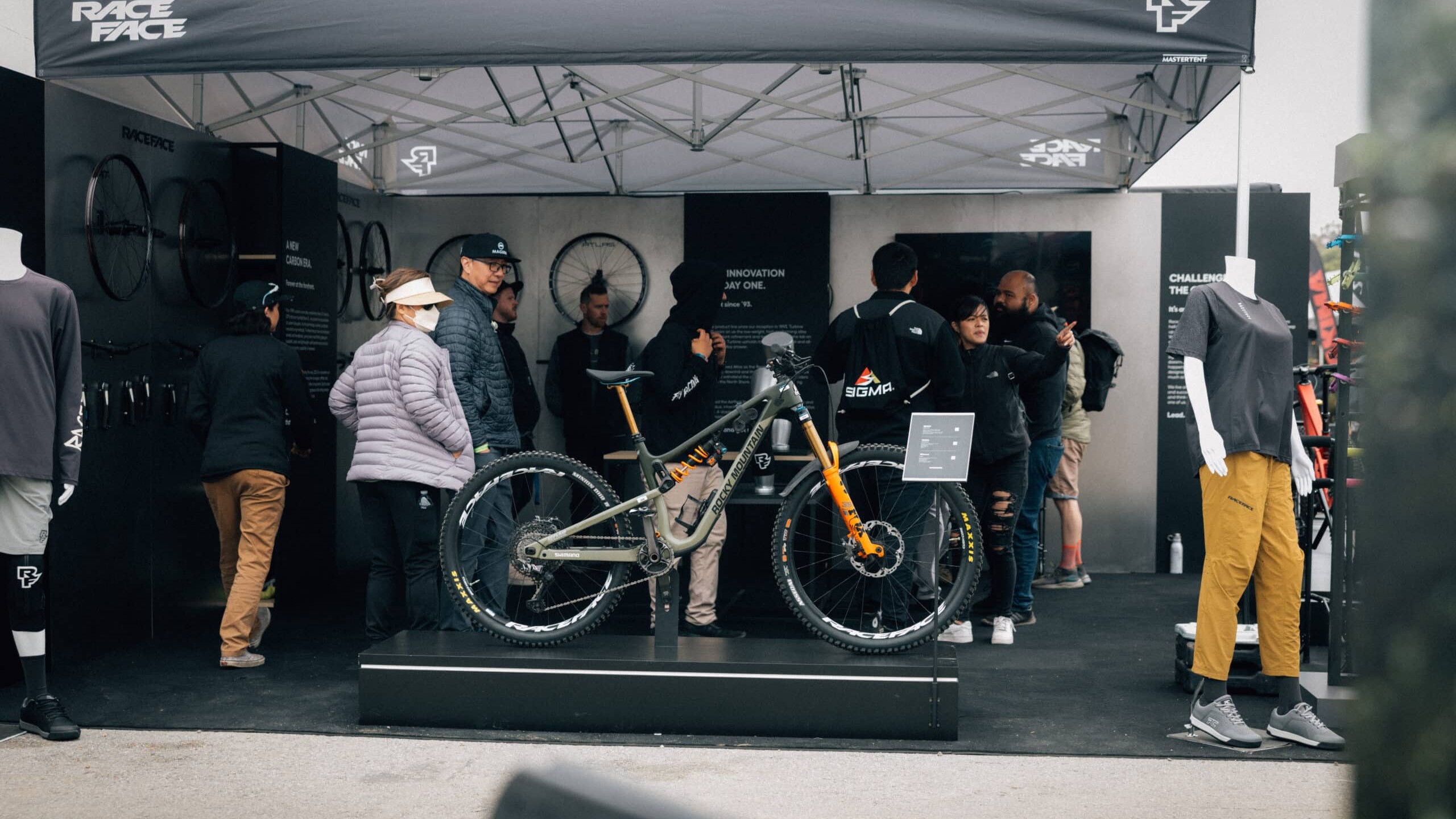
At Sequoia, the craft layer is where our work separates from templated solutions. These are the material and fabrication choices that create the sensory impressions consumers remember.
CNC machining and precision metalwork
Computer-numerically-controlled machining allows us to produce brand elements, signage, structural components, and decorative features with tolerances measured in thousandths of an inch. When a consumer runs their hand along a CNC-cut logo and feels perfectly smooth edges and consistent depth, they register quality subconsciously.
Bespoke Fabrication: Hot-rolled steel and architectural metal
There is a reason high-end restaurants, retailers, and hotels use exposed steel and architectural metalwork. These materials communicate permanence, solidity, and investment. They are the opposite of temporary. In a mobile tour environment, hot-rolled steel framing, blackened metal accents, and architectural hardware tell a visitor that this space was built with intention. The patina and texture of hot-rolled steel, with its characteristic blue-grey surface scale, is something people notice and respond to even if they cannot articulate why.
Architectural millwork
Custom millwork is joinery, cabinetry, and surface finishing executed to architectural standards. In an activation environment, this means counters with mitered edges instead of laminate seams. Display cases with concealed hardware. Wall panels with reveals and shadow gaps that create visual depth. The difference between production millwork and architectural millwork is not visible in a photograph from 10 feet away. It is visible at arm’s length, which is exactly the distance at which visitors experience a mobile tour interior.
Lighting as material
Professional lighting design is not about brightness. It is about directing attention, creating mood, and shaping the perception of every other material in the space. A steel beam lit from below reads differently than the same beam under flat fluorescent light. A product display under a focused spotlight with warm color temperature looks more valuable than the same product under daylight-balanced LEDs. Lighting is the material that modifies every other material.
Sensory Design and Memory Formation
The 90% brand-recall figure is worth unpacking. Sensory and emotional cues drive recall because they engage different memory pathways than text or spoken information. When a visitor touches a material, moves through a lit space, and hears sound designed for the environment, their brain encodes that experience across multiple neural pathways simultaneously. That is why experiential recall is so durable.
The sensory layer does not require exotic technology. It requires intention. A specific scent diffused at the entry. A material transition underfoot as the visitor moves from the Welcome Zone to the Core Zone. A drop in ambient sound level that signals a shift in the experience. Each of these is inexpensive on its own. Together, they extend time and deepen encoding.
The spatial-design principles covered in the previous post determine where visitors move. Craft is what makes those moments worth remembering.
Why Bespoke Environments Get Shared
The 90%+ organic social sharing rate from bespoke environments creates a compounding value that extends well beyond the activation itself. Every share is an organic impression served to an audience that trusts the sharer. A visitor’s Instagram story from inside your activation reaches their network with the implicit endorsement: “I chose to spend time here, and I thought it was worth sharing.” No paid media achieves that signal.
What earns the share:
- Material contrast. Raw steel next to polished wood. Matte black against warm brass. Concrete paired with living greenery. Materials that would not normally exist together create visual tension that holds attention and invites a closer look.
- Scale disruption. An oversized product model. A floor-to-ceiling installation. Something that breaks the expected proportion of the space.
- Lighting drama. Intentional lighting separates professional environments from everything else. A single well-placed spotlight on a hero product does more for photography than a thousand lumens of flat overhead wash.
- Texture depth. Surfaces you want to touch. Surfaces that photograph with depth and dimension. Flat vinyl cannot compete with dimensional materials.
At scale, this organic amplification can double or triple the effective reach of a mobile tour program without additional media spend. But only if the environment is worth sharing. Generic setups generate content that looks like every other event photo. Craft-built environments generate content that stands out in a feed.
Craft Is Strategy, Not Luxury
The investment in CNC machining, architectural metal, custom millwork, and professional lighting is not about impressing visitors with expense. It is about creating the sensory conditions under which memory forms, social sharing triggers, and brand perception shifts.
A forgettable activation is a wasted activation, regardless of how many people walked through it. An activation that people photograph, share, and reference months later is one that compounds its value long after the tour ends.
Build something worth remembering.
Sources
- Generic vs. bespoke fabrication benchmarks and the ROI argument, Sequoia, The Complete Guide to Mobile Marketing Tours, 2026. Underlying industry data: EventTrack (Freeman / Event Marketer), EMI & Mosaic Research.
Want the full craft framework, material and lighting playbook, and case studies from real Sequoia builds? Download The Complete Guide to Mobile Marketing Tours for 62 pages of frameworks, benchmarks, and worked examples from brands like the Vancouver Canucks and Travis Mathew.