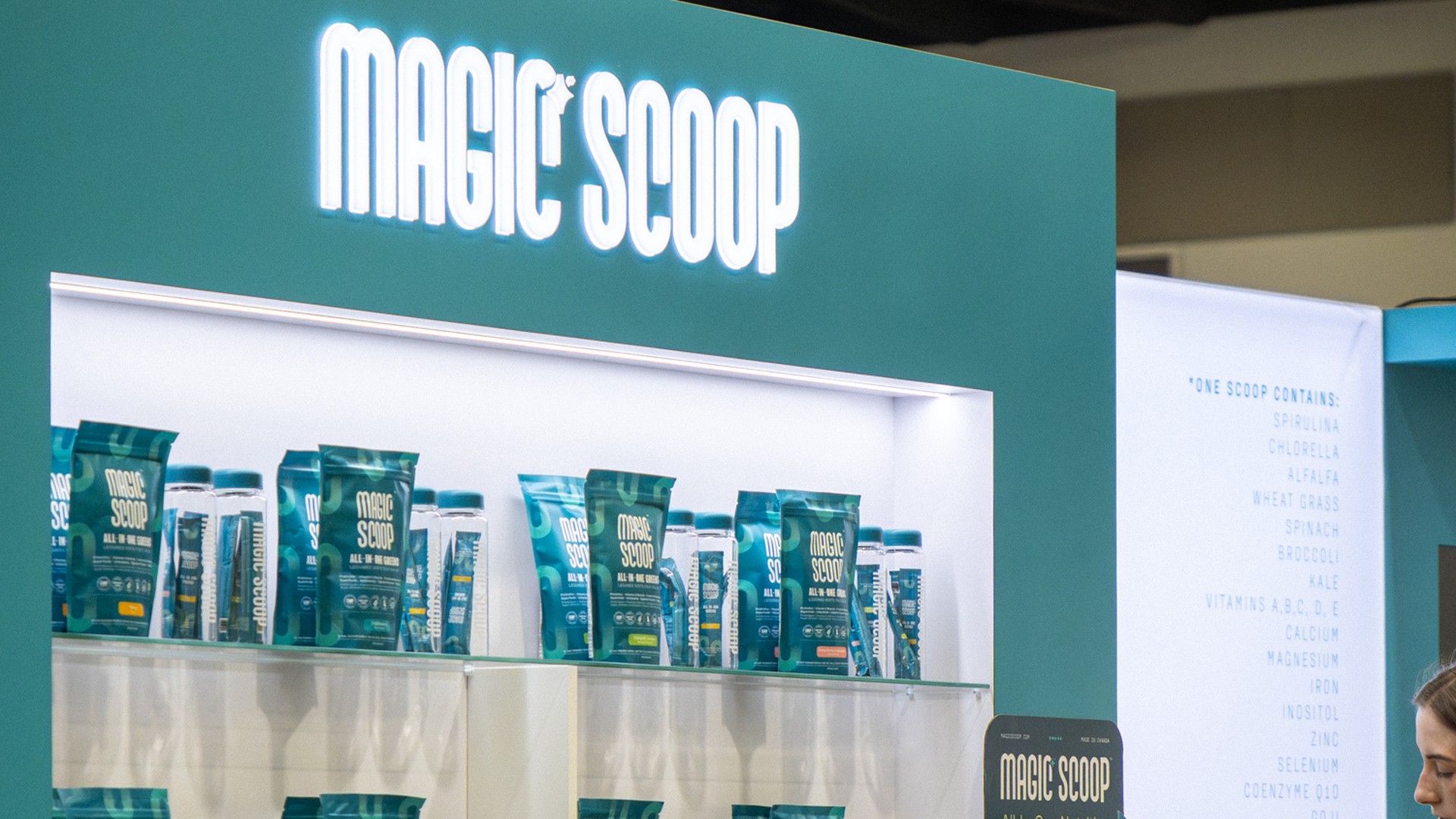
You can invest in a prime booth location, an eye-catching build, and interactive demos, and still lose the ROI on the floor. The reason is almost always the same one: the booth staff were not ready for the visitors they attracted.
This is the third post in the series on plugging the leaks in trade show ROI. The first covered pre-show marketing. The second covered booth engagement and spatial design. This one is about the human factor: the staff, the scripts, and the systems that convert an engaged visitor into a qualified lead, and the specific breakdowns that quietly bleed pipeline out of otherwise good booths.
The Weakest Link Is Almost Always the Same
A visitor walks up to the booth interested in the product. The staff member they encounter cannot answer a specific question, misses the buying signal, or hands over a business card with no follow-up plan attached. The visitor walks off. Whatever the booth cost, that interaction just retired at zero.
Three failure modes account for most of it:
- Thin product knowledge. Booth staff who cannot confidently answer the second or third question a serious prospect asks.
- Undertrained engagement skills. Staff who do not know how to open a conversation, qualify quickly, or gracefully hand off to a colleague better positioned to close.
- Analog lead capture. Business card bowls, paper forms, or badge scans with no attached context, which quietly turn into unusable lists the week after the show.
None of these are fixed by hiring better people alone. They are fixed by defining roles, running rehearsals, and instrumenting the capture flow before the show opens.
Booth Staff Roles: Specialization on the Floor
Trade show floors are unforgiving on generalists. A single staff member cannot simultaneously greet arrivals, qualify serious prospects, run a five-minute product demo, and manage lead capture without one of those jobs suffering. The booths that consistently outperform theirs assign clear roles.
- Greeters work the perimeter. Their job is to convert passers-by into visitors: open posture, one clear opening line, quick read of who to route inward.
- Qualifiers work the interior. Their job is to ask two or three structured questions that separate a serious prospect from a curious one, then route accordingly.
- Closers work the depth of the booth. Their job is to run the substantive conversation: demos, technical answers, and the meaningful commitment (a meeting, a follow-up call, a proposal request).
The staff-to-role ratio matters. Under-staffed at the perimeter and visitors bounce off. Under-staffed at the closer position and qualified leads wait, get impatient, and leave. Rehearse handoffs the same way you rehearse the demo.
Pre-Show Training Is Not Optional
The exhibitors treating pre-show training as a one-hour briefing on the plane are the ones staring at a mediocre lead list on Monday morning. Meaningful training runs through four blocks:
- Product depth. Not the pitch, but the two-layers-down answers. What if the prospect asks about integration? Pricing tiers? A competitor comparison?
- Engagement scripts. Openers, qualifying questions, transitions. Not memorized, but rehearsed enough that they land natural.
- Qualifying framework. A simple two- or three-question filter that separates decision-makers, influencers, and browsers, so the closer gets the right conversations.
- Capture flow. Exactly how a lead moves from conversation to CRM, including the notes that must be attached before the visitor walks away.
Role-playing exercises against likely visitor archetypes are the highest-leverage training investment. Product quizzes catch knowledge gaps before the show does.
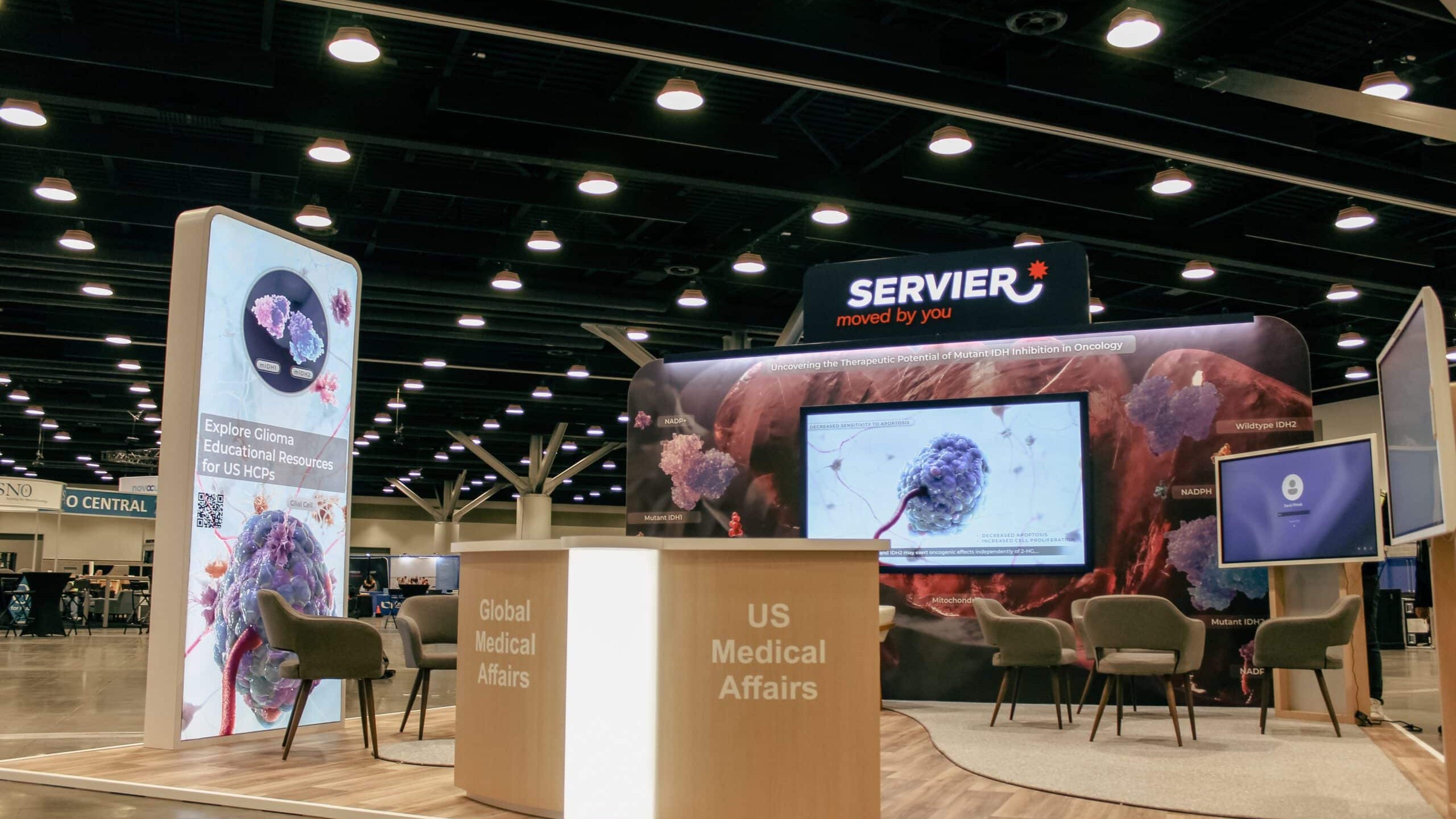
Digital Lead Capture, Structured for Follow-Up
Business cards and badge scans without context are one of the most expensive habits still common on trade show floors. A scan tells you a name and title. It does not tell you why the person stopped, what they asked about, or what conversation the follow-up should extend.
Digital lead capture solves this if it is designed as part of the conversation rather than a form thrown at the end. The specifics that matter:
- A short structured question set the staff member fills in during or immediately after the conversation, not a self-serve form the visitor completes.
- A tag or category that routes the lead to the right internal owner, so a technical prospect does not land in a generic sales queue.
- A note field for the specific reason to follow up, so the email that goes out on Tuesday references something the visitor actually said.
Every lead captured this way is worth a stack of raw badge scans. The follow-up email writes itself, and the response rate reflects it.
Lead Scoring, Applied at the Booth
Not every scanned badge is a lead. Not every lead is worth the same amount of follow-up. A lightweight lead-scoring model applied at the booth means that on Monday morning your team is calling the top ten prospects first, not the ten that happened to be at the top of the export.
A simple three-tier score works for most exhibitors:
- Tier A: Decision-maker or budget-holder, active buying window, specific problem discussed. 48-hour personalized outreach.
- Tier B: Qualified influencer or evaluator, longer buying cycle. One-week structured follow-up sequence.
- Tier C: General interest, no immediate signal. Newsletter or nurture flow.
Scoring at the booth beats scoring in the CRM three days later, when nobody remembers who the person was.
The Case for the Investment
One Sequoia client in the software industry rebuilt their trade show program around exactly these components: defined roles, structured pre-show training with role-play exercises and product quizzes, and a digital capture flow tied to a two-tier scoring model. Over the following show cycle, missed opportunities (defined as engaged visitors who left without qualified capture) dropped by 60%, and the quality of the follow-up list, measured by conversion to a first meeting, improved commensurately.
The investment on their side was measured in days of training, not dollars of build. The ROI showed up in the pipeline column of the post-show report, not in the booth itself. Which is the whole point.
The Booth Was Never the Product
Every dollar of the booth build is a bet on the conversations it will host. The staff, the scripts, and the systems are what convert those conversations into pipeline. Skip the booth build for a show and your prospects notice. Skip the training and they never call it out; they just do not respond to the follow-up.
The exhibitors treating trade shows as a design problem alone will keep paying for great booths and mediocre pipelines. The ones treating them as an operational problem, with the human factor built into the plan, will keep compounding.
Sources
- Sequoia client program case data, software industry exhibitor, 2024–2025.
- Sequoia trade show operations framework, Maximizing Trade Show ROI series, 2026. Complementary industry data from Center for Exhibition Industry Research.
This is the third post in a four-part series on plugging the leaks in trade show ROI. Want the complete playbook? Download Sequoia’s Trade Show ROI Guide for the full set of frameworks, benchmarks, and worked examples across pre-show, booth engagement, staff performance, and follow-up.