Stop Hoping, Start Targeting: Plugging the Pre-Show Marketing Leak
Posted on June 23, 2026
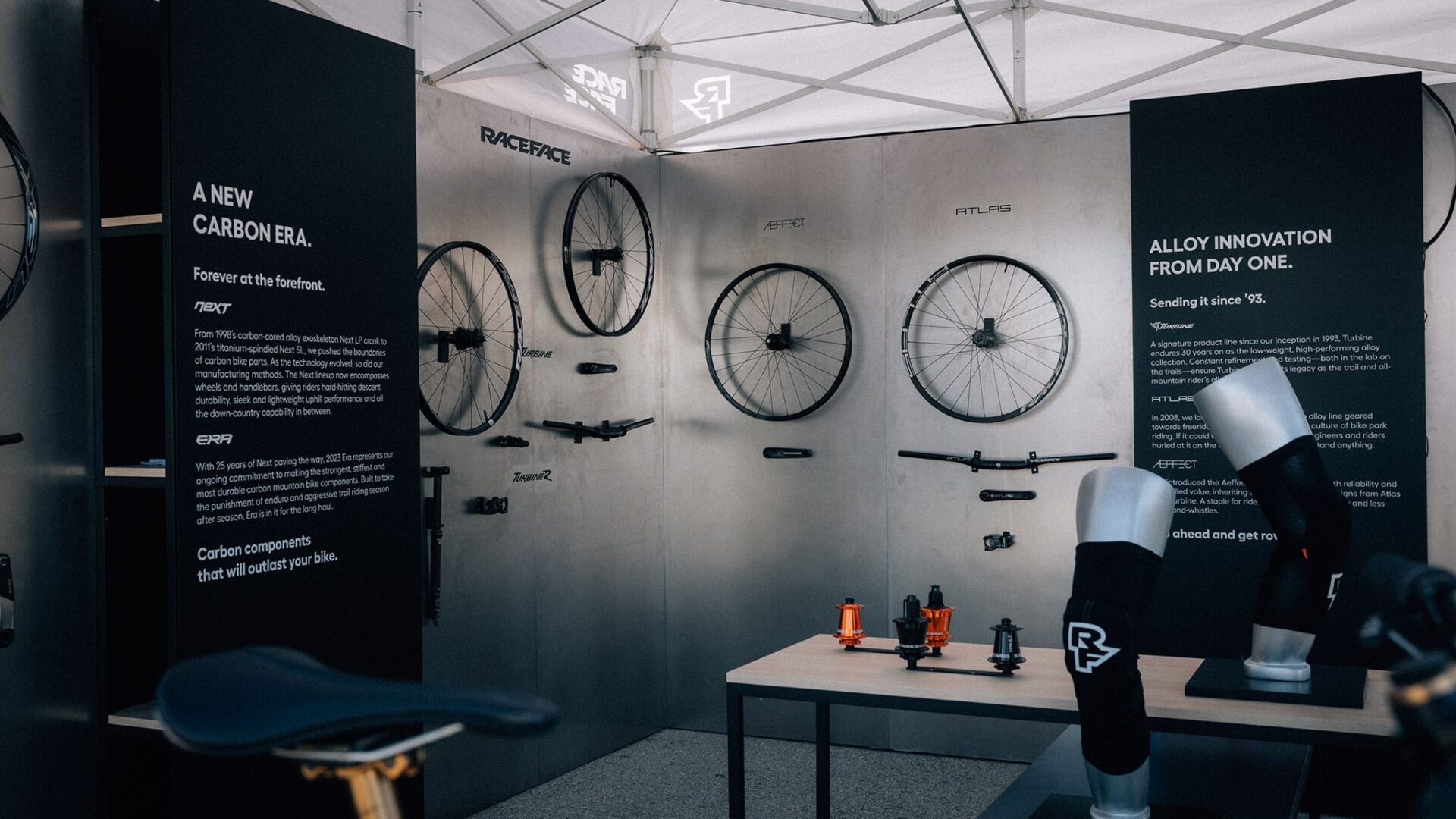
Pre-show marketing is the line between exhibitors who book qualified meetings before their flight lands and exhibitors who spend three days hoping the right person walks by. The data is unambiguous about which approach wins, yet most teams still treat the show floor as the start of the campaign instead of the middle.
This is the first post in a series on plugging the leaks in trade show ROI. The starting point is the leak that costs the most and gets the least attention: what happens in the weeks before the show.
Attendees Plan. Exhibitors Don’t.
The Center for Exhibition Industry Research found that 90% of trade show attendees pre-plan their visits, and 64% specifically research which exhibits to see before they arrive on the show floor1. By the time the doors open, the bulk of the audience has already decided which booths matter to them.
That is not a problem if a brand is part of the planning conversation. It is a structural disadvantage if it is not. Walk-up traffic still exists, but it is the residual after every other exhibitor has filled their schedules with the visitors who came in with a list.
Industry data confirms the gap is widely recognized but rarely closed. CEIR finds 63% of exhibitors expect pre-show marketing’s importance to grow, while only 40% plan to increase their investment in it2. The result is a market where most exhibitors agree the discipline matters and most still under-resource it.
Which Pre-Show Tactics Actually Work
The same CEIR research that documents the gap also ranks the specific tactics exhibitors rate as most effective for driving booth traffic. Influencer marketing leads the DIY list at 71% effectiveness, followed by direct phone calls to customers and prospects at 68%, and targeted emails to customer and prospect lists at 60%3. Among organizer-provided services, lead retrieval scores 80% effectiveness, pre-show e-vite programs 65%, and pre-registration list rental 63%.
Two things stand out in that ranking. First, the tactics that score highest are the ones that require effort: a personal phone call beats a generic blast, and a relationship-driven referral beats a paid ad. Second, the cheapest and most-overlooked tactics, including the show organizer’s own e-vite and pre-registration list services, score within ten points of the most expensive ones. The brands that pay the booth fee but skip those services are leaving structured access to their target audience on the table.
The cost side reinforces the case. A booth investment is largely fixed: space, build, freight, staff travel, opportunity cost. Pre-show outreach adds marginal cost on top of that fixed base, but it raises the denominator the booth was already going to be measured against. Every additional booked meeting reduces effective cost-per-meeting by the same percentage as it increases meeting count.

What Targeted Pre-Show Outreach Actually Looks Like
Pre-show marketing is not a generic “see us at booth #123” email blast. Generic blasts perform roughly as well as the rest of the unread email backlog. What works is treating the run-up to the show as a small, focused B2B campaign with four moving parts.
A Real Reason to Stop By
The strongest pre-show invitations offer something specific: a new product demo, a private meeting room slot, a customer-only briefing, an industry insight delivered in person. “Come see us” is not an offer. “Twenty minutes of your time and we will show you how three of your competitors cut activation cost by 30%” is.
A Calendar, Not an Inbox
The asset that converts a pre-show touchpoint into a booth meeting is a one-click booking link. Email invitations that end with “let us know if you would like to meet” produce a fraction of the response of invitations that end with “here is my calendar.” Treat the booking moment as the conversion event, and remove every step between the prospect’s intent and a confirmed slot.
Tiered Outreach by Account Value
Not every prospect deserves the same effort. Tier one accounts (named targets, expansion candidates, strategic logos) warrant personalized outreach from sales reps with the offer of a private meeting. Tier two (warm pipeline, recent inbound leads) get a templated but customized invitation with the booking link. Tier three (registered attendees the brand has never spoken to) get the broad-reach campaign. Same total effort, dramatically better return.
Show-Adjacent Channels, Not Just Email
The attendees a brand most wants to reach are the same attendees the show organizer is emailing seven times in the final week. Email-only pre-show campaigns compete with that noise. LinkedIn outreach from named sales reps, targeted ads aimed at the event audience, and pre-show podcast or webinar appearances all reach the same people through quieter channels.
The Mindset Shift: Show as Campaign, Not Event
The exhibitors generating outsized ROI from trade shows do not think of the show as three days in a booth. They think of it as a six-to-eight week campaign with a high-density event in the middle. Pre-show outreach is the front half of that campaign, and it is the half that determines whether the booth investment compounds or evaporates.
The show organizer’s job is to get attendees to the show. Getting the right ones to a specific booth is the exhibitor’s job. The brands that internalize that distinction stop hoping and start targeting, and the math on their next show looks different.
Sources
- Center for Exhibition Industry Research, Attendee ROI Playbook Series, Fact Sheet 3: The Power of Pre-Planning and Tracking, 2018.
- Center for Exhibition Industry Research, Exhibitor Outlook and Spending Trends (annual).
- Center for Exhibition Industry Research, Balancing Digital Tactics, Show Services, and DIY Marketing for Exhibitor Success, 2024.
This is the first post in a four-part series on plugging the leaks in trade show ROI. Want the complete playbook? Download Sequoia’s Trade Show ROI Guide for the full set of frameworks, benchmarks, and worked examples across pre-show, booth engagement, staff performance, and follow-up.